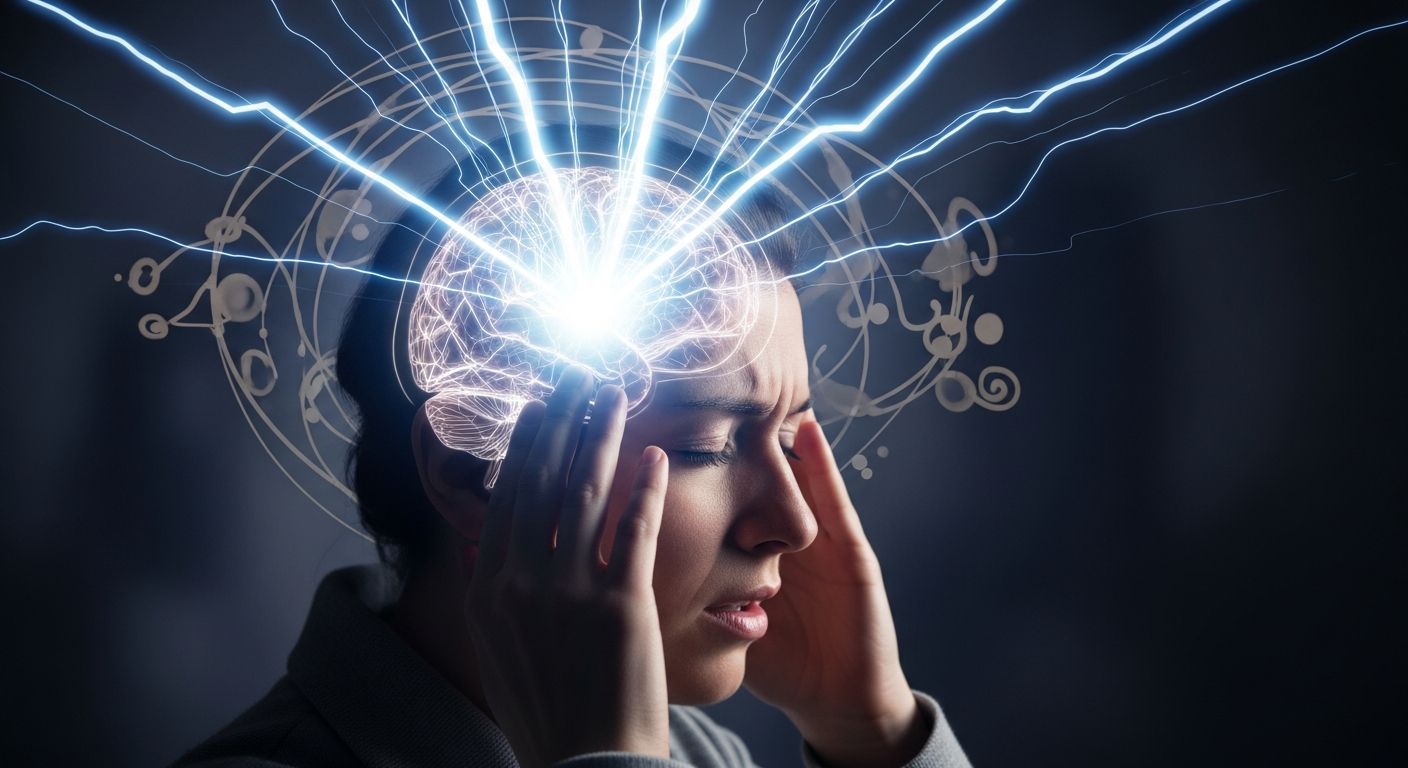
Brain zaps causes are often confusing and worrying for many people. These sudden jolts or electric-like sensations in the head can happen without warning, leaving you unsure of what is happening. Many people notice brain zaps when they stop taking certain medications, especially antidepressants, or when their body experiences sudden changes in stress, sleep, or diet. While these zaps are not usually dangerous, they can be uncomfortable and alarming, making it important to understand what triggers them and how to reduce their impact.
Most brain zaps causes are linked to changes in the chemicals in the brain. For example, when medicine that affects serotonin is reduced too quickly, the brain may react with these strange electric feelings. Other triggers can include fatigue, anxiety, or even sudden caffeine withdrawal. Knowing what triggers your brain zaps can help you prevent them or at least manage them better. Simple steps like proper sleep, gradual medication changes, and stress control can make a big difference in how often these zaps happen and how intense they feel.
Common Brain Zaps Causes You Should Know
Brain zaps causes can happen for many reasons, and understanding them can help you feel better faster. One of the main reasons is when someone stops taking medicines like antidepressants too quickly. The brain is used to certain chemicals, and when they change suddenly, it reacts with jolts or electric feelings in the head. Other causes include stress, lack of sleep, sudden caffeine changes, or even skipping meals. Some people notice zaps when their anxiety is high or when they are very tired. Although brain zaps are usually not dangerous, they can be scary and uncomfortable. Learning what triggers your zaps and how to avoid them is important for feeling safe and keeping your brain happy.
How Medication Changes Lead to Brain Zaps
Brain zaps causes are often connected to changes in medicine, especially drugs that affect brain chemicals like serotonin. When the dosage is lowered too quickly, the brain doesn’t have time to adjust, and this can create electric-like jolts in the head. Some people also feel zaps if they forget to take medicine or mix different medications without advice. Even small changes in vitamins or supplements can sometimes trigger these feelings. Doctors often recommend tapering off medication slowly to prevent brain zaps. Understanding how medicine interacts with your brain helps you reduce the chance of zaps and stay comfortable. Paying attention to your body and asking for help when needed can make these changes much easier to handle.
Stress, Sleep, and Brain Zaps Causes Explained
Stress and lack of sleep are big contributors to brain zaps causes. When your body is tired or anxious, your brain chemicals can become unbalanced, and this may trigger sudden jolts or buzzing feelings in the head. People who work long hours, skip rest, or worry a lot are more likely to notice these zaps. Even small daily habits, like missing meals or drinking too much caffeine, can increase the chances of getting them. Managing stress through relaxation, meditation, or short breaks and keeping a consistent sleep schedule can lower the frequency of zaps. Paying attention to how your body reacts to tiredness and stress can help you avoid uncomfortable brain zaps.
Can Brain Zaps Be a Sign of Something Serious?
Most brain zaps causes are harmless and temporary, but it is important to pay attention to your body. Sometimes zaps can happen along with headaches, dizziness, or vision changes, which may need medical attention. If the zaps are very frequent, strong, or appear with other symptoms, it is wise to see a doctor. Understanding the difference between normal brain zaps and a sign of a bigger problem can prevent worry and keep you safe. Keeping a diary of when zaps happen and what triggers them can help your doctor give the right advice. Most people only need simple changes in sleep, stress, or medicine to feel better.
Lifestyle Habits That Trigger Brain Zaps Causes
Certain lifestyle habits can increase brain zaps causes without you realizing it. Skipping meals, drinking too much coffee, or having irregular sleep schedules can all affect your brain chemicals. Stressful routines, too much screen time, or sudden changes in activity can also make zaps more likely. Regular habits like eating healthy meals, sleeping enough, and keeping a steady daily routine can help lower these jolts. Exercise and relaxation techniques, like deep breathing, can also calm the brain and reduce zaps. Paying attention to small lifestyle details can make a big difference in how often brain zaps happen.
Tips to Reduce the Frequency of Brain Zaps
Reducing brain zaps causes is possible with simple daily steps. Slowly changing medicine under a doctor’s guidance, getting enough sleep, and managing stress are key. Drinking water, eating meals on time, and avoiding sudden caffeine changes can also help. Practicing relaxation exercises, stretching, or light walks can calm the nervous system. Paying attention to triggers and avoiding abrupt changes in routine or medicine is the best way to prevent zaps. Keeping a journal of when they happen can help you notice patterns. With patience and care, brain zaps can become less frequent and less intense over time, helping you feel safe and more in control.
Conclusion
Brain zaps causes can be confusing, but most of the time, they are not dangerous. They usually happen because of medicine changes, stress, tiredness, or sudden lifestyle changes. Understanding what triggers them can help you avoid or reduce them. Simple habits like proper sleep, healthy meals, and calm routines make a big difference in preventing brain zaps.
If you notice strong or frequent zaps with other symptoms, it is smart to see a doctor. Most people feel better after small adjustments in medicine, sleep, or stress. Paying attention to your body and taking care of yourself can help you feel safer and more comfortable.
FAQs
Q: What exactly are brain zaps?
A: Brain zaps are sudden, electric-like jolts or buzzing feelings in your head.
Q: Are brain zaps dangerous?
A: Most brain zaps are not dangerous and usually go away with time.
Q: What causes brain zaps the most?
A: Sudden changes in medicine, stress, tiredness, or caffeine changes are common causes.
Q: How can I reduce brain zaps?
A: Sleep well, manage stress, eat on time, and adjust medicine slowly under a doctor’s guidance.
Q: When should I see a doctor for brain zaps?
A: See a doctor if zaps are very strong, frequent, or come with other symptoms like dizziness or headaches.