Introduction: The Rise of AMD GPUs
For years, AMD GPUs (Advanced Micro Devices) has been a name synonymous with innovation in the world of computing. Once seen as the underdog compared to giants like NVIDIA and Intel, AMD has consistently proven that it can push boundaries—especially in the GPU (Graphics Processing Unit) market. With their Radeon lineup, AMD has built a solid reputation for creating powerful graphics cards that balance performance, price, and cutting-edge technology.
AMD GPUs are designed not just for gamers but also for creators, engineers, and professionals who demand high-quality visuals and seamless multitasking. What makes AMD stand out is its focus on accessibility—providing top-tier performance without always demanding top-tier prices. From casual gamers to professionals working with AI and rendering, AMD has a GPU for nearly every kind of user.
In recent years, AMD’s advancements in architecture, energy efficiency, and AI-driven graphics technology have reshaped the competitive landscape. It’s no longer about who has the most power; it’s about who can do the most with it—and AMD has shown it’s more than capable of leading that charge.
The Evolution of AMD GPUs: From Humble Beginnings to Technological Giants
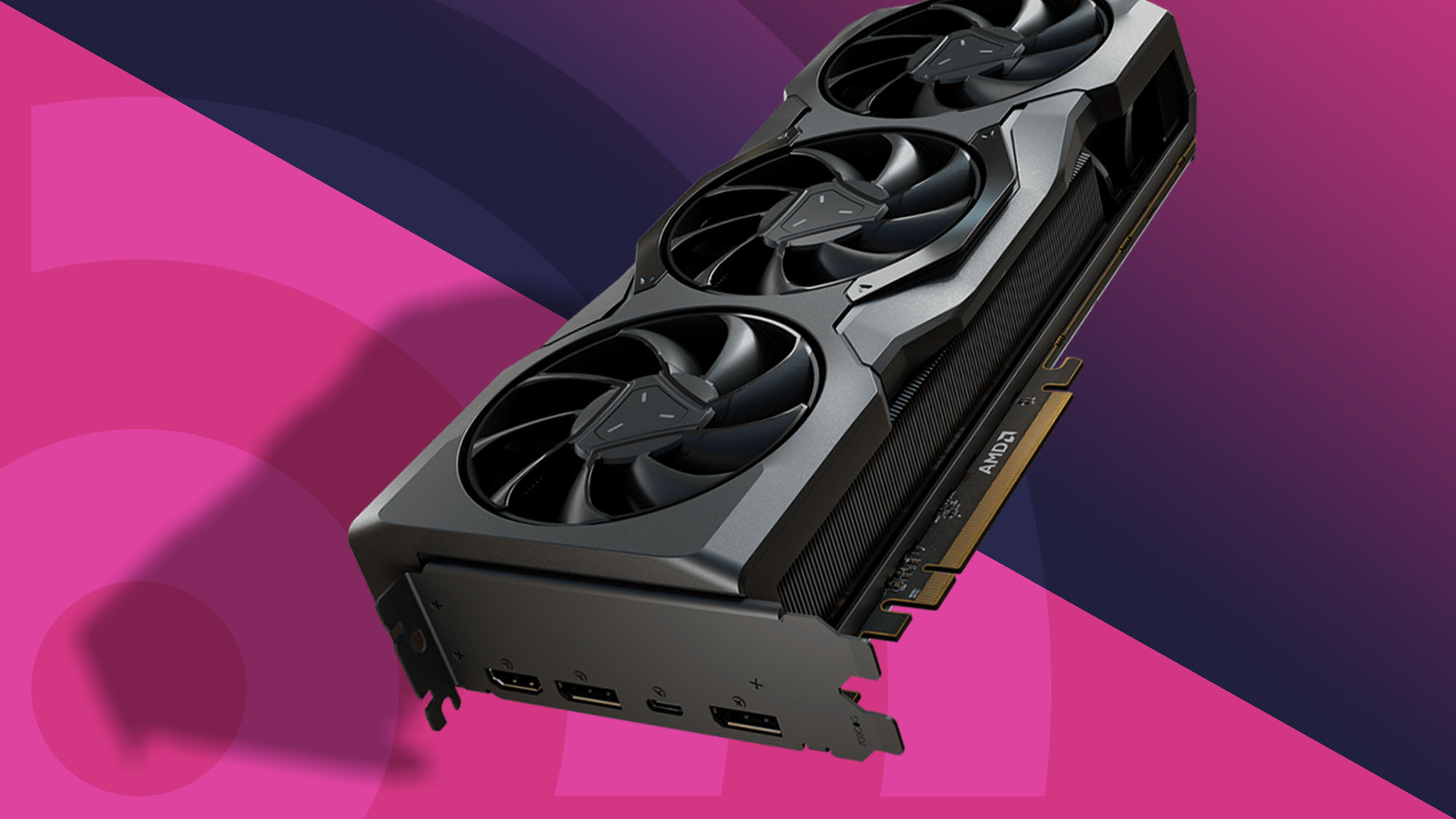
AMD’s journey in the AMD GPUs market began when it acquired ATI Technologies in 2006, a move that would later define its success in graphics processing. ATI was known for its Radeon brand, and AMD saw the potential to merge that innovation with its own CPU expertise. This combination led to the creation of the first true “APUs” (Accelerated Processing Units), which integrated CPU and GPU power on a single chip—a concept that was ahead of its time.
Over the years, AMD has continuously evolved its GPU architecture. Early models focused on providing value for budget-conscious gamers, but the company quickly began investing in high-performance computing. The introduction of the RDNA architecture in 2019 marked a major turning point. It brought a complete redesign that improved efficiency, increased frame rates, and reduced power consumption.
Each new generation—from RDNA 1 to RDNA 3—has showcased AMD’s growing ability to compete directly with NVIDIA’s RTX series. The latest models deliver real-time ray tracing, AI-driven graphics enhancements, and impressive memory bandwidths. In short, AMD GPUs have transitioned from being “the affordable alternative” to becoming “the performance powerhouse.”
Performance and Power Efficiency: The Perfect Balance
When it comes to GPUs, raw performance isn’t everything. Efficiency plays a huge role—especially for users who want powerful graphics without their systems turning into space heaters. AMD has recognized this balance and mastered it with its RDNA architecture.
RDNA 2 and 3 brought dramatic improvements to performance per watt, meaning users could enjoy high-end gaming experiences while consuming less power. This makes AMD GPUs particularly appealing for gamers who want to build energy-efficient systems without sacrificing visual fidelity. Many of AMD’s modern cards use advanced manufacturing processes, like 7nm and 5nm nodes, which allow for better thermal control and higher transistor density.
Performance-wise, AMD’s flagship GPUs—like the Radeon RX 7900 XTX—are capable of handling 4K gaming, ultra settings, and even professional workloads like 3D rendering and video editing. The cards are also equipped with features such as Smart Access Memory (SAM), which improves communication between the CPU and GPU, unlocking additional performance gains when paired with AMD Ryzen processors.
Gaming with AMD: A New Era of Immersive Experiences
Gamers are at the heart of AMD’s innovation strategy, and the company has gone above and beyond to cater to their needs. AMD GPUs power some of the most immersive gaming experiences available today, providing smooth frame rates, lifelike lighting, and vibrant color accuracy.
One of AMD’s major contributions to gaming is its open-source technologies like FidelityFX Super Resolution (FSR). This feature uses intelligent upscaling to boost performance without compromising image quality, allowing gamers to enjoy high frame rates even on demanding titles. Unlike some proprietary technologies, FSR is compatible across multiple hardware platforms, which reflects AMD’s commitment to inclusivity and community-driven innovation.
In competitive gaming, where every frame counts, AMD GPUs offer low latency and high responsiveness. Many esports professionals and streamers have begun using AMD setups for their reliability and power. Combined with technologies like Radeon Anti-Lag and FreeSync, players experience minimal screen tearing and input delay, resulting in smoother, faster gameplay.
Creative and Professional Use: Beyond Gaming
While AMD GPUs are often associated with gaming, their capabilities extend far beyond that. In creative industries, such as video editing, 3D modeling, and animation, AMD’s Radeon Pro series has earned praise for delivering workstation-grade performance at a fraction of the price of competitors.
For professionals working with large datasets, AMD GPUs offer robust parallel computing capabilities, enabling faster rendering and simulation times. Their open software ecosystem—like ROCm (Radeon Open Compute)—also makes them ideal for machine learning and AI workloads. ROCm provides developers with tools to accelerate computing tasks while maintaining flexibility and compatibility across systems.
Moreover, AMD’s GPUs are widely used in the film and design industries, where accuracy and stability are critical. The company has invested heavily in driver optimization and certification programs to ensure seamless integration with professional applications like Blender, Autodesk Maya, and Adobe Premiere Pro. The result is a line of GPUs that isn’t just about speed—it’s about reliability and precision.
The Competition: AMD vs. NVIDIA – Who Reigns Supreme?
No discussion of AMD GPUs would be complete without mentioning the friendly (and sometimes fierce) rivalry with NVIDIA. For years, NVIDIA dominated the high-end GPU market, but AMD has steadily closed the gap. Each new AMD release challenges the status quo, offering comparable or even superior performance at lower price points.
One of AMD’s biggest strengths lies in value. While NVIDIA often leads in specific cutting-edge features like DLSS (Deep Learning Super Sampling), AMD’s open-source FSR competes closely without locking users into a specific ecosystem. Similarly, AMD tends to price its GPUs more competitively, giving gamers and creators more power for their money.
Still, both companies push each other to innovate. NVIDIA often takes the lead in ray tracing and AI acceleration, while AMD emphasizes efficiency, affordability, and compatibility. Ultimately, it’s this competition that benefits consumers the most—each brand striving to outdo the other means faster, more powerful, and more efficient GPUs for everyone.
The Future of AMD GPUs: Innovation on the Horizon
Looking ahead, AMD shows no signs of slowing down. The company continues to invest in new technologies that will define the next era of computing—like AI-accelerated graphics, advanced chiplet designs, and deeper integration between CPUs and GPUs. Future architectures are expected to deliver even greater leaps in performance per watt, allowing devices to become more compact, efficient, and powerful.
AMD’s collaboration with developers and hardware partners also ensures that its GPUs will stay relevant across different platforms—from gaming PCs to cloud-based rendering systems. With the rise of virtual reality (VR), augmented reality (AR), and real-time 3D applications, AMD’s expertise in scalable performance and low-latency rendering positions it as a key player in these emerging fields.
Moreover, AMD is working toward sustainability goals by developing eco-friendly production processes and energy-efficient hardware. The company understands that the future of computing isn’t just about speed—it’s about responsibility.
Conclusion: AMD’s Continued Impact on the GPU World
In today’s rapidly evolving tech landscape, AMD stands as a symbol of innovation, resilience, and progress. From its early days of competing in the shadows to now leading in efficiency and performance, AMD GPUs have earned their place among the best in the world. Whether you’re a gamer chasing every frame, a creator rendering complex visuals, or a developer building the next big thing in AI, AMD offers tools that empower creativity and performance.
What makes AMD special isn’t just the hardware—it’s the philosophy behind it. By championing open-source development, fair pricing, and relentless improvement, AMD has shown that technology can be both powerful and accessible. And as the world continues to demand more immersive experiences and computational power, one thing is certain: AMD will never stop pushing the limits of what GPUs can do.